On Living in a Digital Babylon

In a recent sermon, I highlighted the disturbing sociological research coming out of the Barna Group, namely, that the typical adult spends between 6 and 7 hours per day, of their leisure time, on their digital devices! That’s up to 49 hours a week!
David Kinnaman, President of the Barna Group, in his work Faith for Exiles, coined the term “Digital Babylon” in which he compares the impact of our screen time to the ancient Jewish experience of living as exiles amidst a foreign, pluralistic, and overwhelmingly pagan city like Babylon.
Kinnaman is warning the church: the vast amount of time you spend on digital devices is teaching and training you who you are to be, what you are to think, and how you are to live in this new Digital Babylon.
Digital Babylon is after your discipleship! Silicon Valley’s overarching goal is to make you a disciple of their screens. The new technology of the age is not only informing you but radically shaping you and discipling you in various ways!
The role that parents, teachers, coaches, youth pastors, and spiritual directors might have played 50 years (or even 500 years) ago are now being exchanged in favor of Digital Screens. The results have been disastrous. Western culture is awash in mental health problems and severely handicapped in maintaining healthy relationships across all generations, most acutely affecting younger generations (aka “the digital natives”).
Sociological research tells us that our culture is witnessing:
a widespread epidemic of loneliness and depression,
a wave of heightened forms of chronic anxiety which debilitates us,
shallower sleep patterns which affect our bodies, and
decreased attention spans which affects our minds (just to name a few).
That is, the consequences of capitulating to Digital Babylon shows up in body, soul, mind, and strength – the very aspects of our personhood from which we are called to love God and love others. Critical aspects of our personhood are being discipled – and compromised by – our capitulation to this Digital Babylon.
Bed Rotting: A New Phenomenon?
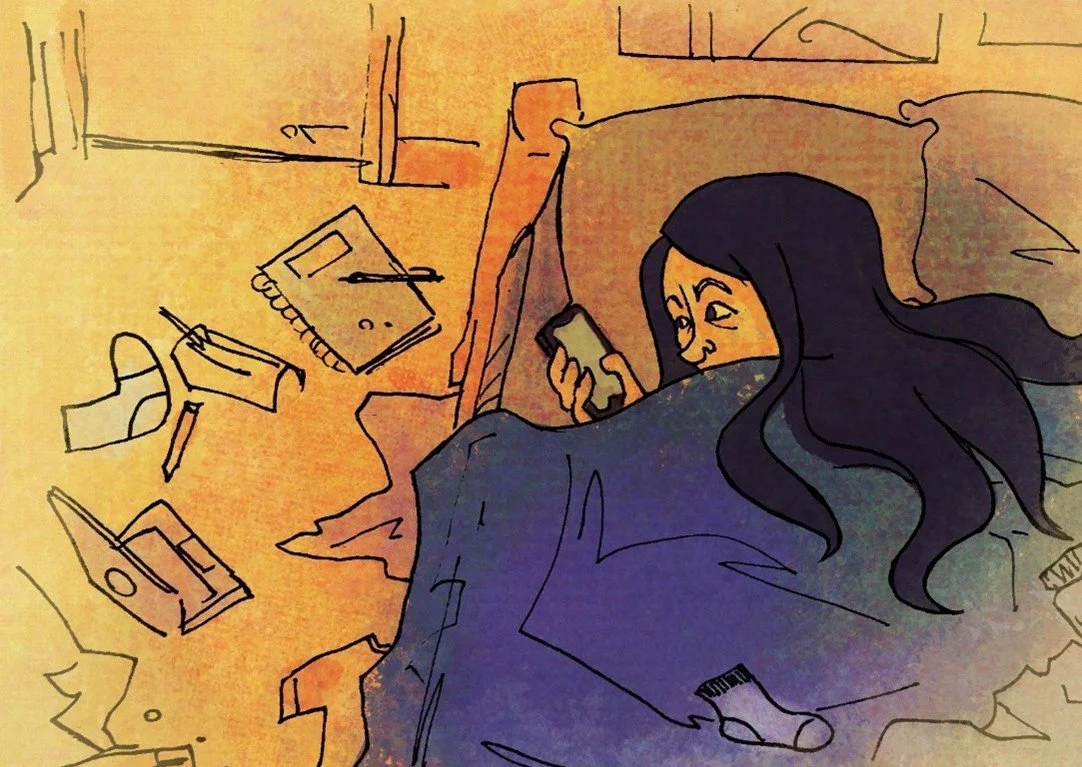
“Bed rotting” is now part of the American experience in this Digital Babylon. The vocabulary of bed rotting is already in the lexicon of college-aged students and young adults. Last week, I asked a college student: “Do you know what bed rotting is?” The college student replied: “Yeah, we talk about it all the time.”
Bed rotting is simply spending long stretches in bed with no physical activity, scrolling on digital devices.
Here are the harrowing statistics on bed rotting in our culture:
Gen Z spends 21 days per year bed rotting.
The Average American spends 15 full days bed rotting.
57% of Americans have taken a PTO or Sick Day to bed rot.
Gen Z was most likely to bed rot in the evening while afternoon bed rotting was most common amongst Baby Boomers.
If you want to dig further into the phenomenon of “bed rotting” as part of our experience in an Age of Digital Babylon, you might want to read: “The Rise of Bed Rotting: How and Why Americans are Doing It.”
I find the sociology both fascinating and disturbing, at once a wake-up call and a solemn warning for Christians seeking to navigate this cultural moment in the 21st century.
The Challenge for Christians
Christians have only two choices: be conformed to this world or be transformed by the renewing of your mind (Rom 12:1-2) by being people who “Push Back” against this Digital Babylon in being “People of the Word”.
Here’s the solemn conclusion:
If you cannot name the real and tangible ways that you are intentionally “pushing back” against the Digital Babylon of our age, then it’s probable that you are being conformed to this world.
How are you pushing back and living with intentionality?
Do you need to take a long “fast” (break) from social media?
Do you need to eliminate Netflix (or other steaming services)?
Do you need to get serious about internet filters and/or an accountability partner to deal with sexual struggles and addictions?
Here’s my favorite counsel: Put the Word before the World.
In the morning, before you are ambushed by the onslaught of the world (by reaching for a digital screen), go to the Word (The Bible and Prayer) as a way of intentionally pushing back against Digital Babylon. At night, finish the day in prayer and with a Psalm instead of falling asleep to a digital screen.
Paul encouraged the Colossians to “let the word of Christ dwell in you richly” (Col 3:16). The word of Christ - alone - has the power to push back against Digital Babylon and fortify your life with the only story worthy of our lives.